How a Solo Consultant Went From 10-Hour Proposals to 90 Minutes With AI-Powered Agent Orchestration
A solo consultant cut proposal time by 85% using AI-powered proposals with agent orchestration — research, strategy, writing, and review — all with human-in-the-loop approvals.
**The 10-Hour Proposal Problem**
Marcus Trent runs a one-person managed IT consultancy outside Chicago. His clients are dental offices, law firms, and small construction companies — local businesses that need reliable tech support but don't have an internal IT team.
His pipeline was healthy. The problem was closing it.
Every qualified lead meant Marcus sat down for a marathon session: researching the prospect's industry pain points, pulling together a strategy, writing the proposal narrative, formatting deliverables, and then reviewing everything before hitting send. A single proposal consumed 8 to 12 hours of focused work spread across 2 to 3 days.
At that pace, Marcus could realistically produce two to three proposals per week. Leads that needed a faster turnaround went cold. Prospects who were comparison-shopping moved on. Marcus estimated he was leaving $15,000 to $20,000 per month on the table simply because he couldn't write proposals fast enough.
> "I knew my proposals were good when they landed," Marcus said. "The problem was getting them out the door before the prospect forgot my name."
**What Agent Orchestration Actually Looks Like**
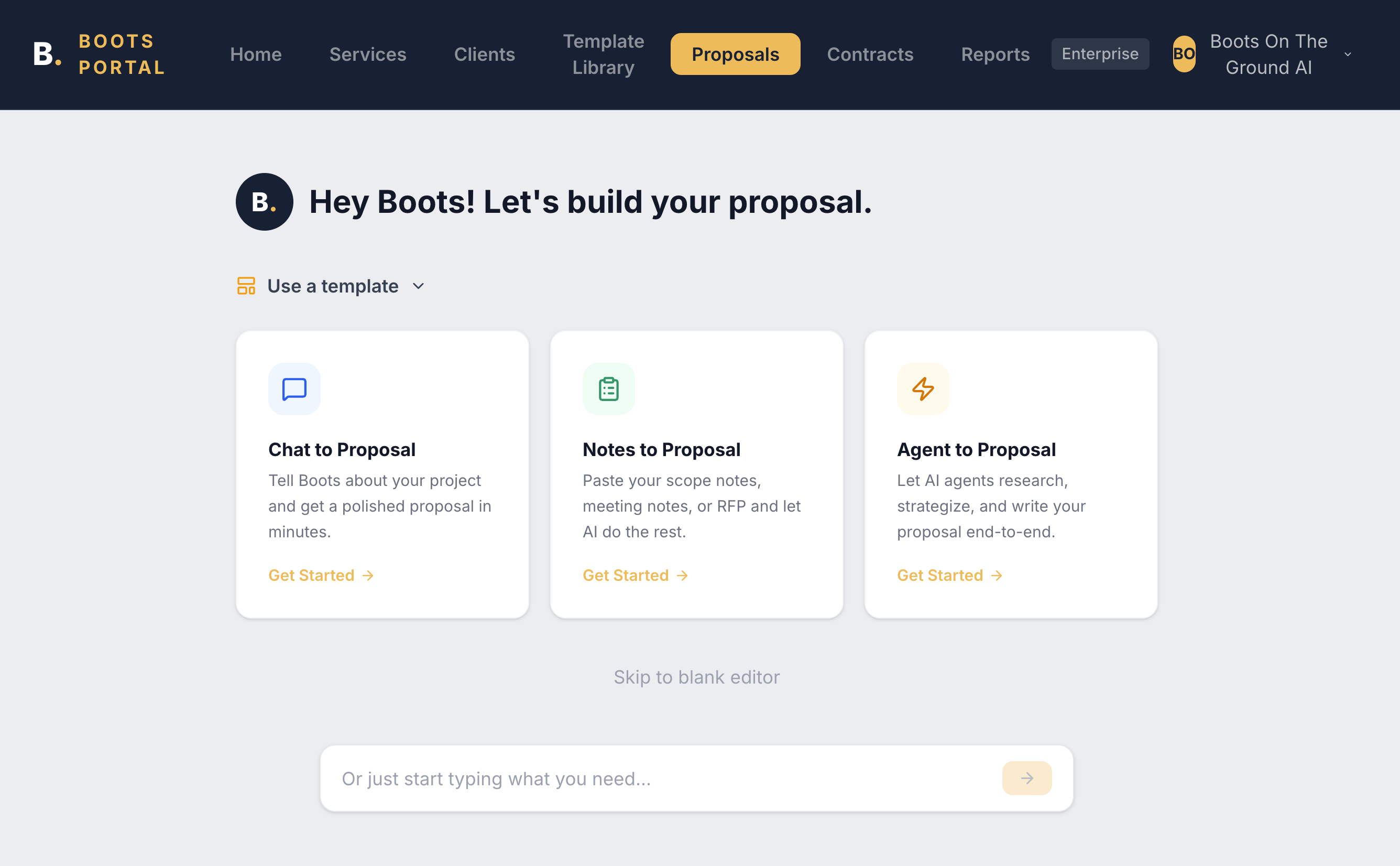
The solution wasn't a single AI tool. It was a coordinated pipeline of specialized AI agents, each handling a distinct phase of the proposal process — with Marcus approving the output at every critical stage before the next agent picked up the work.
**Here's how the pipeline breaks down:**
**Research Agent **— The first agent scans publicly available information about the prospect: their website, recent news, industry reports, competitor landscape, and common pain points for businesses of that size and type. It compiles a structured research brief in under three minutes. Marcus reviews the brief, flags anything off-base, and gives the green light to proceed.
**Strategy Agent** — Using the approved research brief, a second agent drafts a proposal strategy: recommended service tiers, pricing positioning, risk factors, and a value narrative tailored to the prospect's specific situation. Marcus reviews the strategic direction, adjusts pricing or scope if needed, and approves.
**Writing Agent** — A third agent takes the approved strategy and produces the full proposal draft — executive summary, scope of work, timeline, deliverables, pricing table, and terms. The writing matches Marcus's established voice and follows his preferred proposal structure.
**Review Agent** — A final agent acts as quality control. It checks the draft for internal consistency (do the numbers in the pricing table match the scope?), tone alignment, completeness against the strategy brief, and flags any claims that aren't supported by the research. It produces a review scorecard with specific line-level feedback.
Marcus makes final edits, applies his branding, and sends.
The critical design principle: no agent moves forward without human approval at the gate. Marcus isn't rubber-stamping AI output. He's making real decisions at each checkpoint — correcting the research emphasis, adjusting the pricing strategy, refining the narrative angle. The AI handles the heavy lifting. Marcus handles the judgment calls.
The Results After 90 Days
The numbers tell the story clearly.
Time per proposal dropped from 10+ hours to approximately 90 minutes. That 90 minutes includes Marcus's review and approval time at each gate. The AI agents collectively do their work in under 8 minutes. The rest is Marcus reading, thinking, and deciding.
Proposal volume tripled. Marcus went from producing 2 to 3 proposals per week to 6 to 8. He stopped triaging leads by "do I have time to write this" and started triaging by "is this a good fit."
Win rate increased from 22% to 41%. This wasn't just about speed. The research agent surfaced prospect-specific details that Marcus previously didn't have time to dig into. Proposals started referencing the prospect's actual tech stack, recent business changes, and industry-specific compliance requirements. Prospects noticed.
Revenue impact: an estimated $9,200 per month in additional closed business attributable to faster turnaround and higher-quality proposals during the first 90 days.
"The AI doesn't write proposals for me," Marcus said. "It writes proposals with me. I'm still the one making the calls. I just don't spend three days making them anymore."
Why Human-in-the-Loop Gates Matter
A fully automated proposal system — one that researches, writes, and sends without human checkpoints — would be faster. It would also be dangerous.
Proposals carry your professional reputation. A factual error in the research section, a misaligned pricing strategy, or a tone-deaf narrative can cost you the deal and damage your credibility. For freelancers and consultants, where every client relationship is personal, that risk is unacceptable.
Human-in-the-loop gate approvals solve this by keeping the human in the decision seat while removing the human from the production grind. You review structured output instead of creating everything from scratch. You make strategic choices instead of formatting tables. Your expertise goes where it matters most: judgment, relationships, and context that no AI model can replicate.
This is the difference between AI that replaces you and AI that amplifies you.
**
Who This Approach Works For**
Agent-orchestrated proposals aren't limited to IT consulting. The pattern applies anywhere a professional produces custom, research-backed documents to win business:
Freelance designers and developers responding to RFPs or project briefs
Marketing consultants pitching retainer engagements to local businesses
Accountants and bookkeepers proposing service packages to new clients
Real estate professionals preparing comparative market analyses and listing presentations
Insurance brokers building coverage recommendations for commercial accounts
Attorneys drafting engagement letters and case strategy summaries
If you spend more than five hours per week writing proposals, and your win rate matters to your income, this architecture is worth examining.
What It Takes to Get Started
You don't need to build a multi-agent system from scratch. The key components are:
A clear proposal workflow — map out your current process step by step. Where do you spend the most time? Where do errors creep in? Those are your automation targets.
Structured templates — AI agents work best when they have a defined output format. Document your ideal proposal structure: sections, tone, length, and formatting standards.
Gate criteria — define what "approved" means at each checkpoint. What does the research brief need to include before you greenlight the strategy phase? What makes a draft ready to send?
The right implementation partner — building agent orchestration requires someone who understands both the AI tooling and your actual business workflow. This isn't a plug-and-play SaaS product. It's a system designed around how you work.
That last point is where most solo operators get stuck. The technology exists. The gap is knowing how to wire it together for your specific use case.
See How AI-Powered Proposals Can Work for Your Business
Boots On The Ground AI builds custom AI-powered proposal systems for freelancers, consultants, and local professional services. We design the agent pipeline around your actual workflow, set up human-in-the-loop gates where you need them, and make sure the system produces output that sounds like you — not like a chatbot.
[Book a free 30-minute strategy ](bootsagentai.com) call to see if agent-orchestrated proposals are a fit for your business. No pitch deck. No pressure. Just a conversation about where AI can save you real time.
AI proposal automationsolo consultant tipsefficient proposal writingmanaged IT consultancyMarcus TrentAI-powered solutionsbusiness proposal strategiesconsulting workflow improvementIT strategysmall business technology